News
We don’t expect success, we work for it. Become a part of an amazing team!
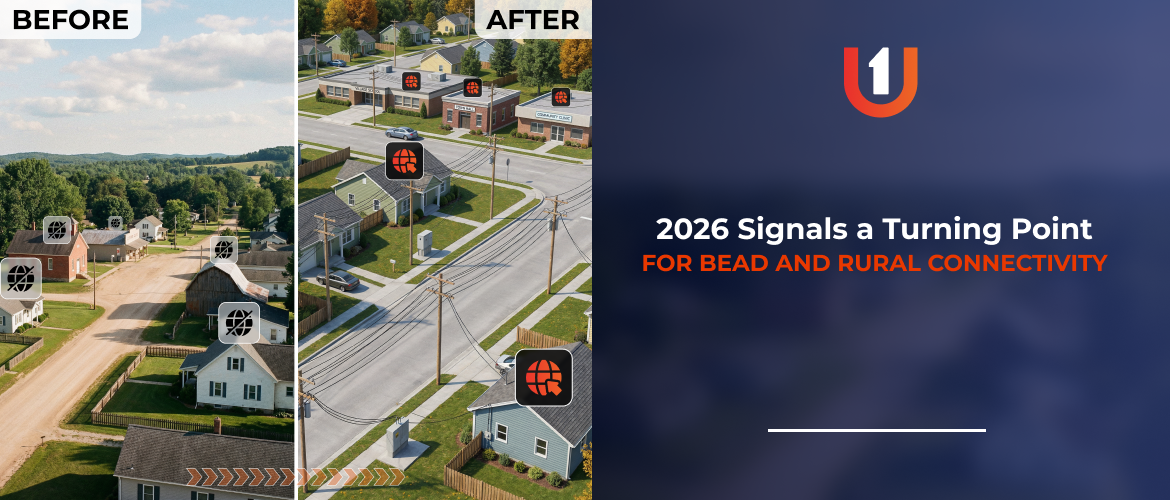
2026 Signals a Turning Point for BEAD and Rural Connectivity
Across the United States, millions of homes, farms, schools, and small businesses still lack reliable high-speed internet. That gap affects education, healthcare, economic growth, and quality of life in rural and underserved communities. The Broadband Equity, Access, and Deployment (BEAD) Program is designed to change that, and Utilities One Group is positioned to play a significant role in making these changes real on the ground.
Why BEAD Matters
High-speed internet is no longer a luxury. It is essential for education, healthcare, remote work, precision agriculture, small business growth, and civic engagement. Yet millions of Americans, particularly in rural, Tribal, and low-income areas, still lack reliable connectivity. BEAD is designed to close that gap by enabling states and territories to fund broadband infrastructure where the private market has historically failed.
Program Structure and Funding Flow
Under the BEAD framework, the $42.45 billion is distributed to 56 states and territories, including the 50 states, the District of Columbia, and five U.S. territories. Allocations are determined using a formula that accounts for the number of unserved locations within each jurisdiction. Eligible uses of the funds include planning, deploying, or upgrading broadband infrastructure; improving service to community anchor institutions; supporting adoption programs; and workforce readiness initiatives.
Each state must develop and submit detailed plans to the NTIA for approval. These include an Initial Proposal outlining broadband needs and a Final Proposal outlining specific strategies for spending the BEAD allocation. Once the Final Proposal is approved, states can begin issuing competitive grants to providers that will execute broadband deployment projects on the ground.
Progress Across the Country
As of late 2025, 37 out of 56 states and territories have had their Final Proposals approved by the NTIA, and 53 out of 56 have submitted proposals for review. This progress marks a significant step toward the national goal of universal broadband access, though much work remains to move from planning to actual construction and service delivery.
Targeting Rural and Underserved Communities
BEAD prioritizes unserved locations where residents have no access to broadband with download speeds below 25 Mbps and upload speeds below 3 Mbps. After unserved areas are addressed, the program then focuses on underserved locations with speeds under 100/20 Mbps, followed by community anchor institutions such as schools, libraries, hospitals, and public service facilities that require high-capacity connections.
Rural communities are central to BEAD’s mission. Large, low-population-density areas have historically struggled to attract private broadband investment due to high construction costs and low returns on investment. BEAD fills this gap by supporting deployment costs, enabling projects that might otherwise never occur.
Challenges and Opportunities
Despite its size and ambition, BEAD faces challenges. Accurate broadband mapping remains crucial, as misclassified service areas can lead to misallocated funds. Workforce shortages in construction, fiber splicing, permitting delays, supply chain issues, and compliance with federal requirements such as the Build America, Buy America (BABA) rules are all factors that slow implementation. States and providers must navigate these obstacles while ensuring that networks are built on time and within budget.
Broadband adoption and digital equity efforts are also essential. BEAD recognizes that building infrastructure is only part of closing the digital divide. Residents must be able to afford service, access devices, and have digital literacy skills to fully benefit from connectivity.
What Comes Next
Most BEAD-funded project awards and construction activity are expected to occur between 2025 and 2030. States will continue refining their grant programs, awarding subgrants to qualified providers, and accelerating deployment. Early results should become visible by 2027 or 2028 as new networks begin serving homes and businesses in rural and underserved areas.
Why It Matters for Utilities One Group
For Utilities One Group and its partners, BEAD represents both opportunity and responsibility. As federal dollars drive rural broadband growth, contractors and infrastructure providers are positioned to lead the deployment of fiber and other high-performance technologies. Utilities One Group’s expertise in fiber construction, make-ready work, project management, and last-mile deployment aligns directly with BEAD’s priorities.
Working at the intersection of public funding and private execution, Utilities One Group can support states and service providers in translating BEAD funding into real-world connectivity. This includes building robust networks, navigating compliance requirements, and ensuring that rural communities receive reliable, high-speed access that fuels economic growth, educational equity, and quality-of-life improvements for years to come.
Share Via:
Related Posts
18 December, 2025
Behind the Scenes: End of Year Work and Welcoming 2026
At Utilities One Group, this time is used to bring people together, recognize the work done throughout the year, and prepare operations for the months ahead. The goal is simple: enter 2026 aligned, ready, and focused on delivering reliable infrastructure.
23 October, 2025
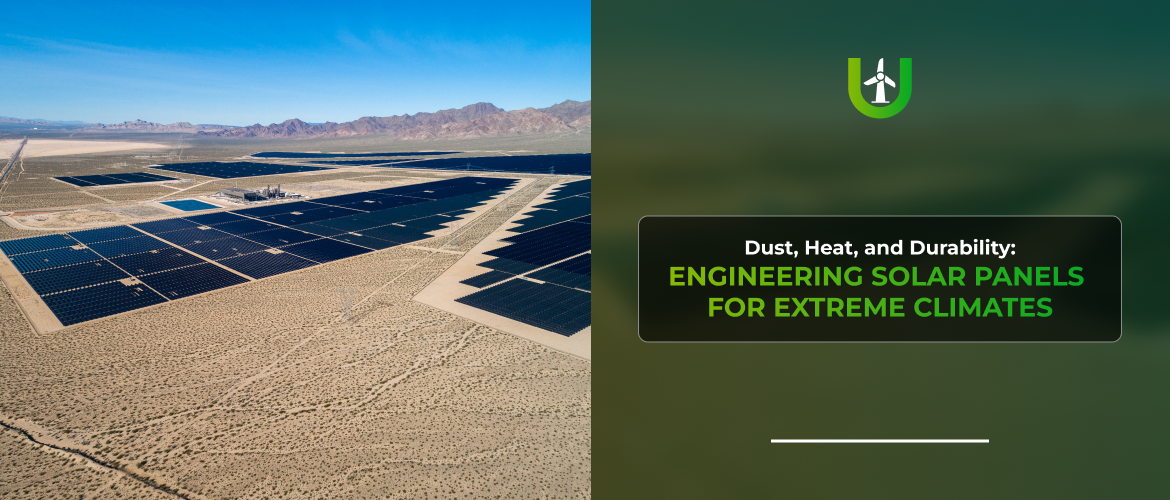
Dust, Heat, and Durability: Engineering Solar Panels for Extreme Climates
As solar energy expands into some of the world’s harshest environments, engineers are developing advanced materials and designs to help panels endure extreme heat, dust, and humidity. Innovations such as thermal-resistant encapsulants, corrosion protection, and passive cooling systems enhance efficiency and durability, supporting reliable and sustainable solar power in challenging conditions.
300 W Somerdale Rd, Suite 5E, Voorhees Township, NJ 08043
COPYRIGHT © 2026 UTILITIES ONE